Installing a new driveway can completely change the look and feel of your home, but it is not just about appearance.
A well-built driveway needs to handle daily use, cope with the British weather, and last for years without ongoing issues. That is why a bit of planning at the start can make a big difference to the end result.
As Epping landscaping experts, there are a few key things that are always worth thinking through before any work begins.
How Will You Actually Use the Driveway?
Before choosing materials or layout, it helps to think about how the driveway will be used day to day.
For example:
- How many vehicles will it need to accommodate
- Whether you need space to turn or reverse easily
- If visitors will need additional parking
- How it connects to your home or garage
These practical details shape everything else, from size and layout to the materials that will work best over time.
Choosing the Right Driveway Material
Different materials suit different properties, and each comes with its own strengths.
Some of the most common options include:
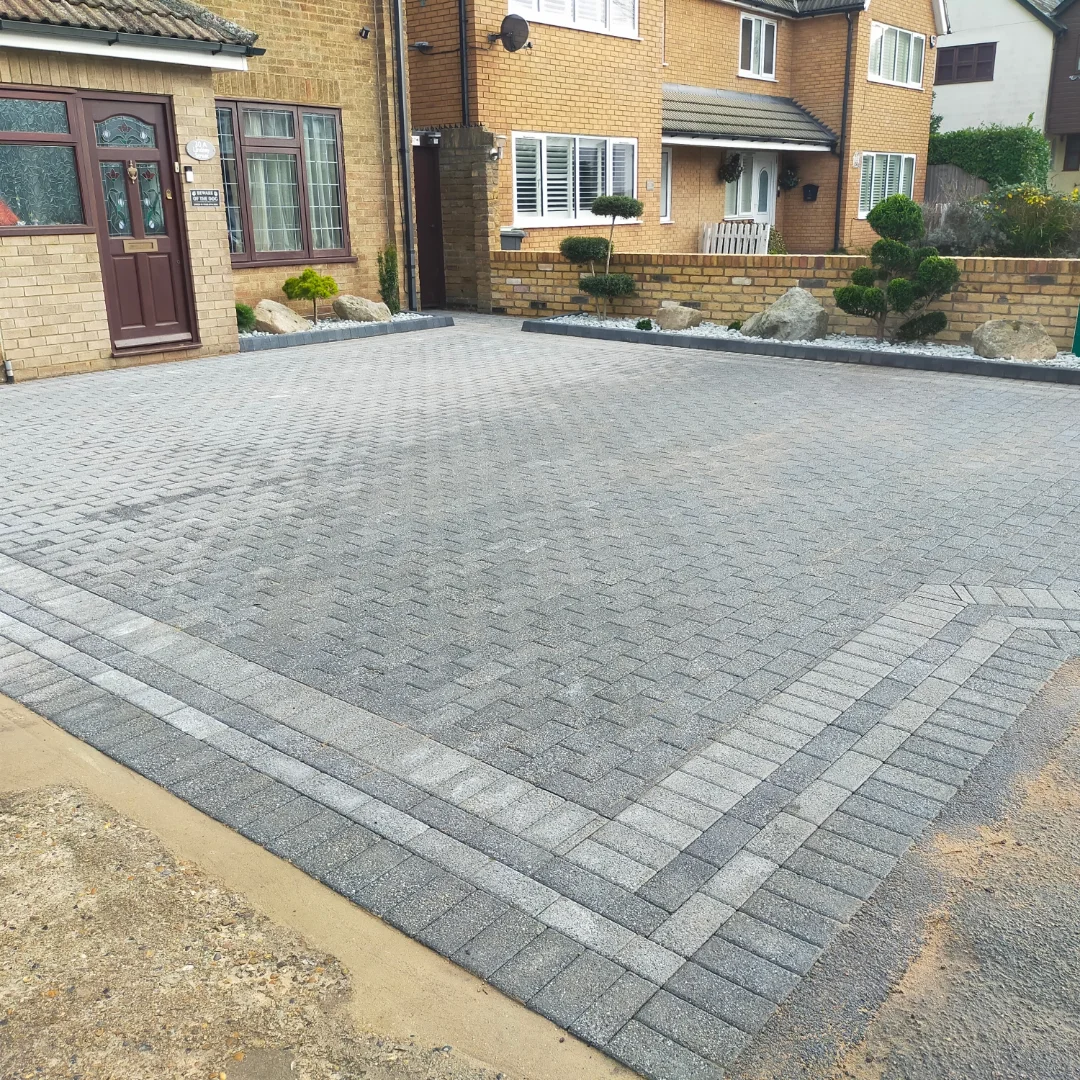
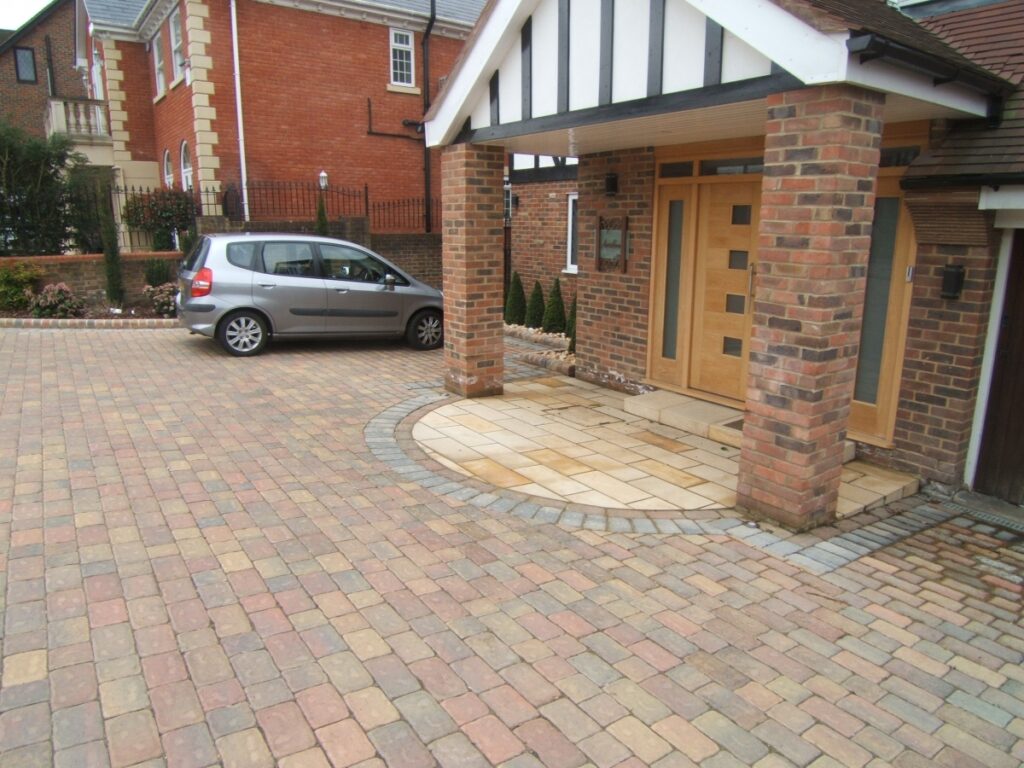
- Block paving for a structured, traditional finish
- Resin-bound surfaces for a smooth, modern look
- Gravel for a more natural appearance
- Tarmac for a clean and practical solution
The right choice often depends on the style of your home, how heavily the driveway will be used, and how much maintenance you are comfortable with.
Groundwork Matters More Than the Surface
One of the biggest differences between a driveway that lasts and one that develops problems comes down to what is underneath.
Proper groundwork includes:
- Excavation to the correct depth
- A solid sub-base for stability
- Correct levelling and compaction
Without this, even the best-looking driveway can start to sink, shift, or crack over time.
This is often the part of the process that is not visible once the job is finished, but it has the biggest impact on long-term performance.
Drainage and Water Run-Off
Drainage is one of the most important and commonly overlooked aspects of driveway installation.
In areas across Essex, including Epping and surrounding towns, poor drainage can lead to:
- Standing water after rain
- Water running towards the house
- Long-term damage to the surface
A well-planned driveway should allow water to drain effectively to a suitable outlet, such as a drainage system or soakaway.
It is not simply about directing water away from the house, but ensuring it flows correctly to the appropriate drainage point. When this is done properly, it helps protect both the driveway surface and the surrounding property.
This is especially important when installing larger paved areas or replacing existing surfaces.
Matching the Driveway to Your Property
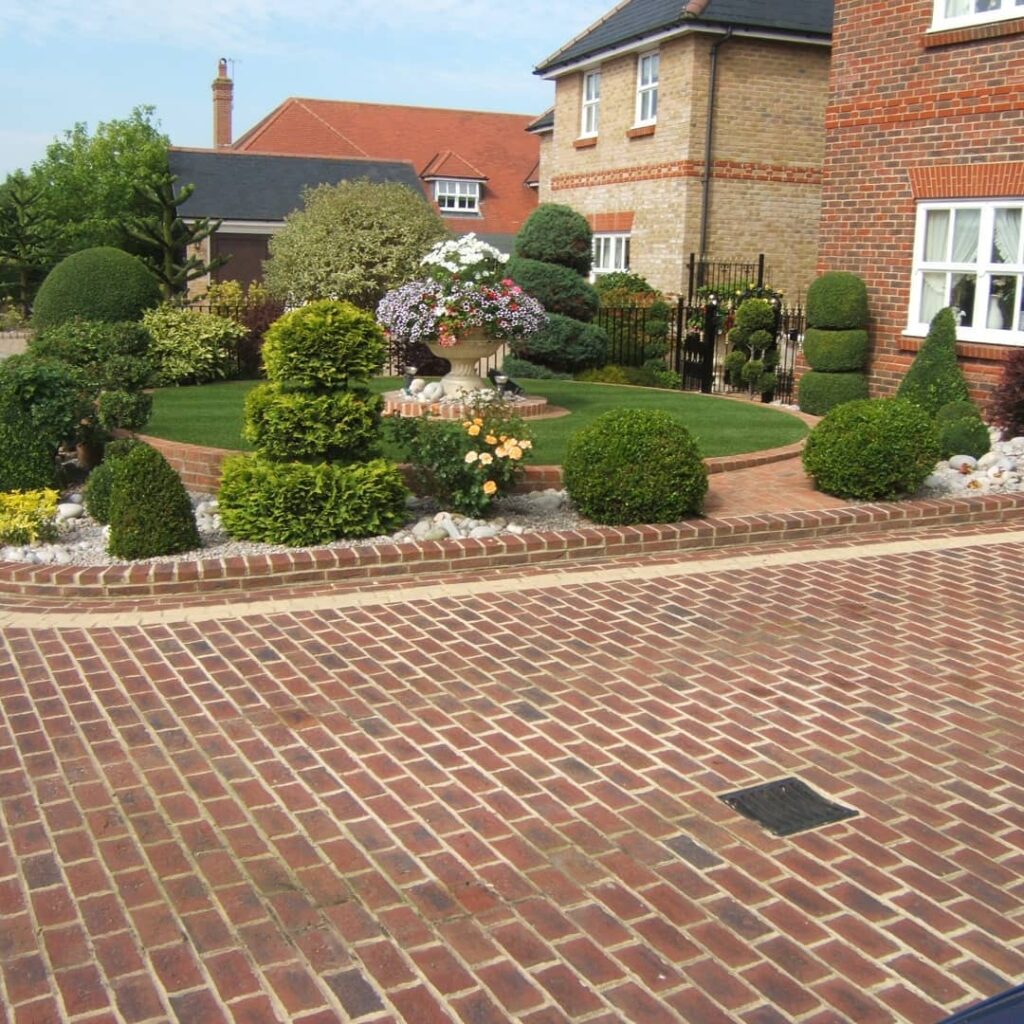
A driveway should feel like part of the property, not something that has been added as an afterthought.
It also plays a key role in how your home is presented throughout the year. A well-designed driveway should enhance kerb appeal in every season, whether in the height of summer or the middle of winter.
It is important to remember that you are creating a driveway, not a car park. The space should feel considered and balanced, rather than overly harsh or dominated by hard surfaces.
Things to consider include:
- The style and age of your home
- The materials used elsewhere on the property
- How the driveway connects to paths, entrances, or landscaping
In many cases, incorporating planting areas, borders, or subtle greenery is enough to break up the space and create a more welcoming, natural finish.
Looking at how driveways integrate with wider landscaping projects can help give a clearer picture.
Thinking Long-Term, Not Just the Finish
It is easy to focus on how a driveway will look once it is completed, but long-term performance is just as important.
Questions worth asking include:
- How will the surface cope with daily use
- Will it require regular maintenance
- How will it age over time
- Will it still suit the property in a few years
Taking a long-term view usually leads to better decisions at the start.
Planning the Wider Space
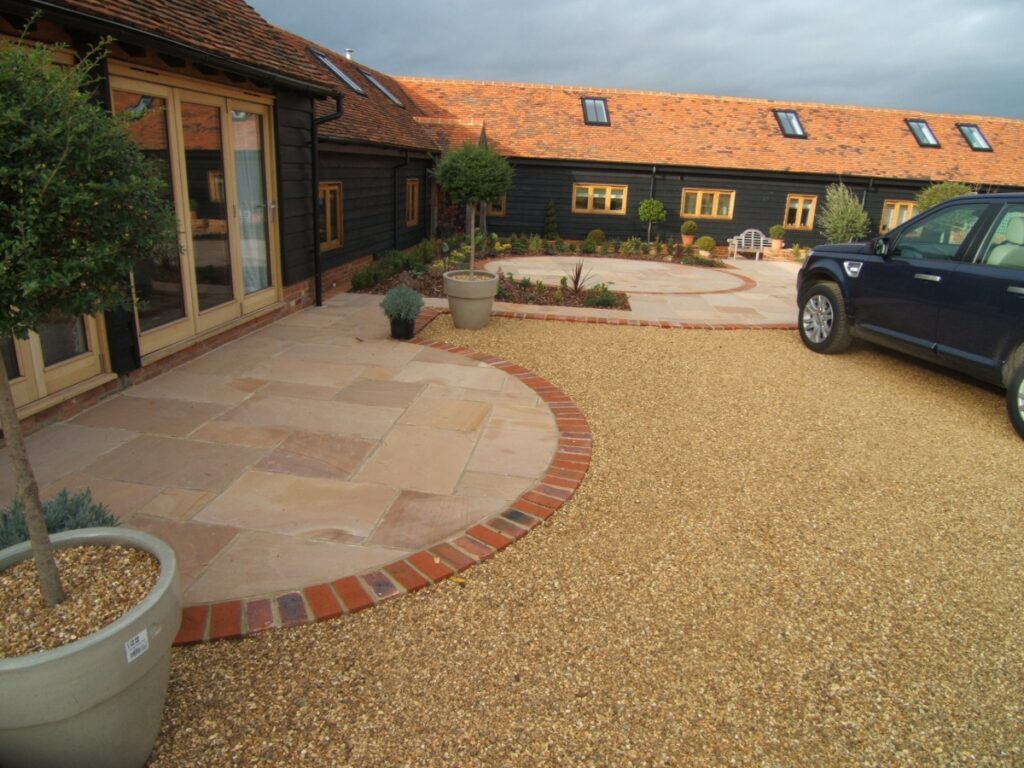
In many cases, a driveway is not a standalone project.
It often connects with other elements such as:
- Pathways and entrances
- Front garden landscaping
- Fencing or boundary features
Thinking about how everything works together can help create a more cohesive result.You can explore how different elements come together across full projects here.
Local Factors in Essex
Driveways in Essex are influenced by a range of local conditions, including soil type, drainage, and property layouts.
These factors can affect:
- How stable the ground is
- How water behaves during heavy rainfall
- Which materials are most suitable
From experience working across Epping and surrounding areas, these are often the details that make the biggest difference over time.
A Good Place to Start
If you are planning a new driveway, it helps to begin with a clear understanding of what you need from the space.
Thinking about layout, materials, and long-term use early on can make the whole process smoother and help avoid common issues later.
FAQs
It depends on your property, usage, and preferences. Block paving, resin, and tarmac are all popular for different reasons.
Most driveways can be completed within a few days to a week, depending on size and complexity.
In some cases, especially where drainage is affected, permission may be required. This depends on the design and materials used.
With proper installation and maintenance, a driveway can last many years. The groundwork plays a major role in this.
Final Thoughts
A driveway might seem like a simple addition, but the best results come from careful planning and attention to detail.
Getting the layout, materials, and groundwork right from the start usually leads to a surface that not only looks good but also performs well over time.
If you want to explore what might work best for your space, you are always welcome to get in touch and talk things through.
Call: 01277 890 585 | Email: landscapesmanor@aol.com