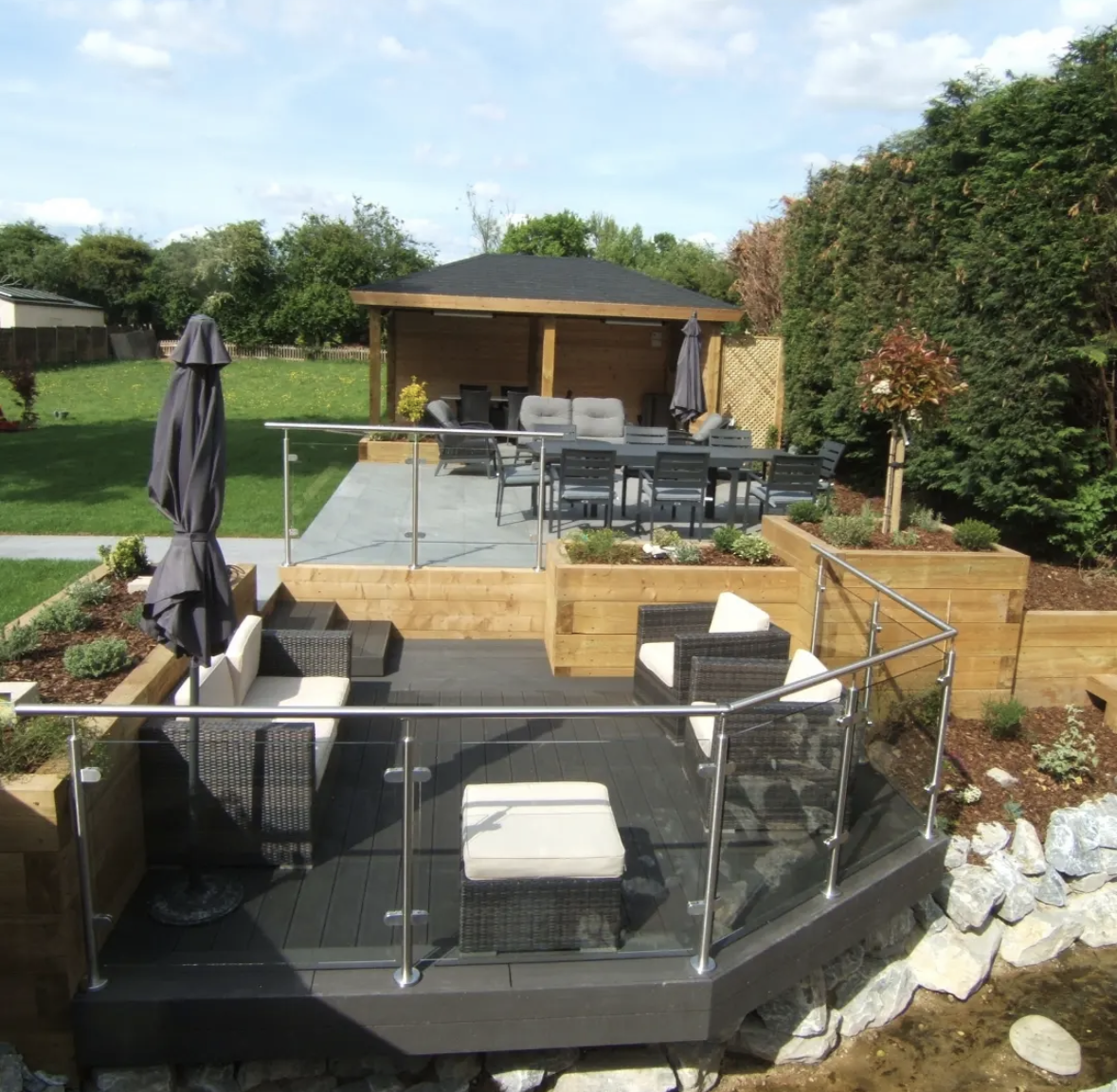
Planning a new garden is exciting, but it can also feel a bit overwhelming once you start thinking about layouts, materials, and how everything will actually come together.
One of the most common questions people ask early on is whether they need a garden designer at all.
As Epping landscaping experts, the honest answer is: sometimes you do, sometimes you don’t. It really depends on what you’re trying to achieve and how complex the project is.
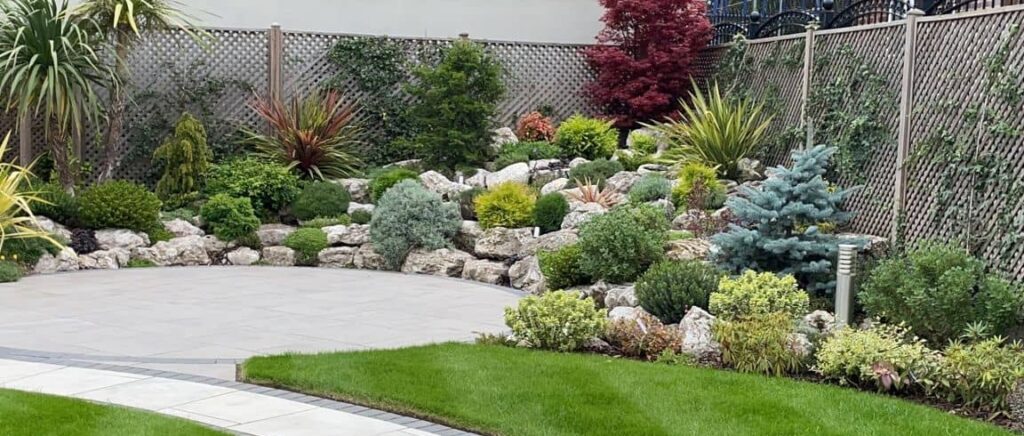
What a Garden Designer Really Helps With
A lot of people assume garden design is mainly about how things look. That’s part of it, but the bigger value is in how the space works.
A well-designed garden considers things like:
- How you move through the space
- Where sunlight falls throughout the day
- Drainage and ground levels
- How different areas connect (patio, lawn, seating, etc.)
- How the garden will be used day to day
From experience working on gardens around Epping and Essex, it’s often these practical details that make the biggest difference once the project is finished.
When You Can Keep Things Simple
There are definitely situations where bringing in a full design isn’t necessary.
For example:
- Replacing an existing patio in the same position
- Updating fencing or boundaries
- Refreshing planting without changing the structure of the garden
If the layout already works and you’re not making major changes, a straightforward approach is usually enough.
Where Things Start to Get More Complex
It’s when you begin changing how the garden is laid out that things become less straightforward.
This might include:
- Moving or adding patios and seating areas
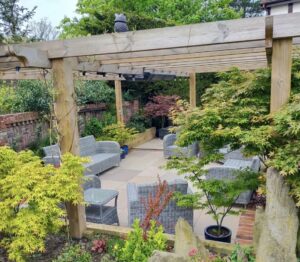
- Introducing features like decking, pergolas, or outdoor kitchens
- Changing levels or reshaping the garden
- Creating separate zones for relaxing, entertaining, or practical use
At this stage, having a clear plan becomes much more important. Without it, it’s easy for things to feel a bit pieced together rather than properly thought through.
The “It’ll Be Fine” Trap
A lot of garden projects start with a rough idea and evolve as they go along.
Sometimes that works. But more often, it leads to:
- Features ending up in the wrong place
- Awkward gaps or unused areas
- Drainage issues that only show up later
- Having to redo parts of the work
These aren’t unusual problems; they’re things landscapers see quite regularly when projects haven’t been planned properly from the start.
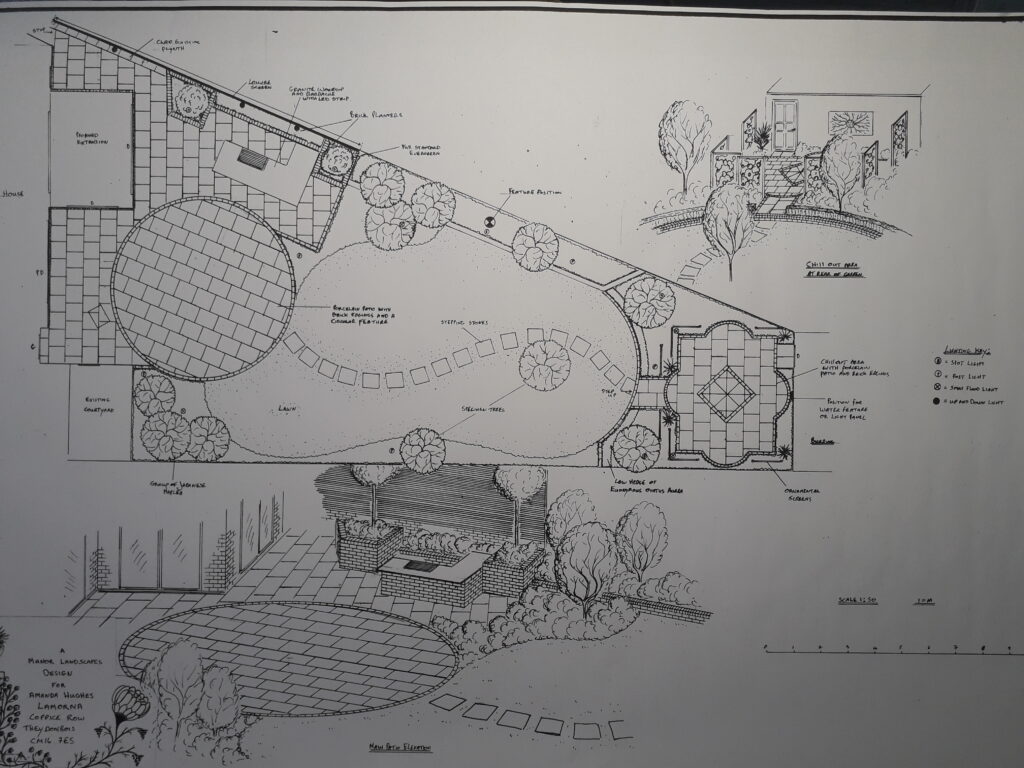
Why Planning First Usually Saves Money
It might seem like skipping design saves money, but in reality it often does the opposite.
A clear design helps you:
- Understand what’s possible within your space
- Prioritise what matters most within your budget
- Avoid changes once work has already started
- Get a more accurate idea of overall costs
For larger garden projects, especially those involving multiple features, this makes a noticeable difference.
Thinking About How You’ll Actually Use the Space
One of the biggest shifts in garden design over the years is how people use their gardens.
It’s no longer just about having a lawn and a patio. More people are looking for:
- Spaces to sit and relax
- Areas for entertaining friends and family
- Garden rooms or offices
- Outdoor kitchens or dining areas
Design becomes less about filling space and more about shaping how the garden fits around your lifestyle.
Local Factors That Are Easy to Overlook
Gardens across Essex; including places like Epping, Loughton, and Ongar; can vary quite a bit in terms of soil, drainage, and layout.
These aren’t always obvious at first, but they affect things like:
- How water drains after heavy rain
- What materials will last well over time
- Where planting will actually thrive
This is where practical, hands-on experience really comes into play, especially on larger or more detailed projects.
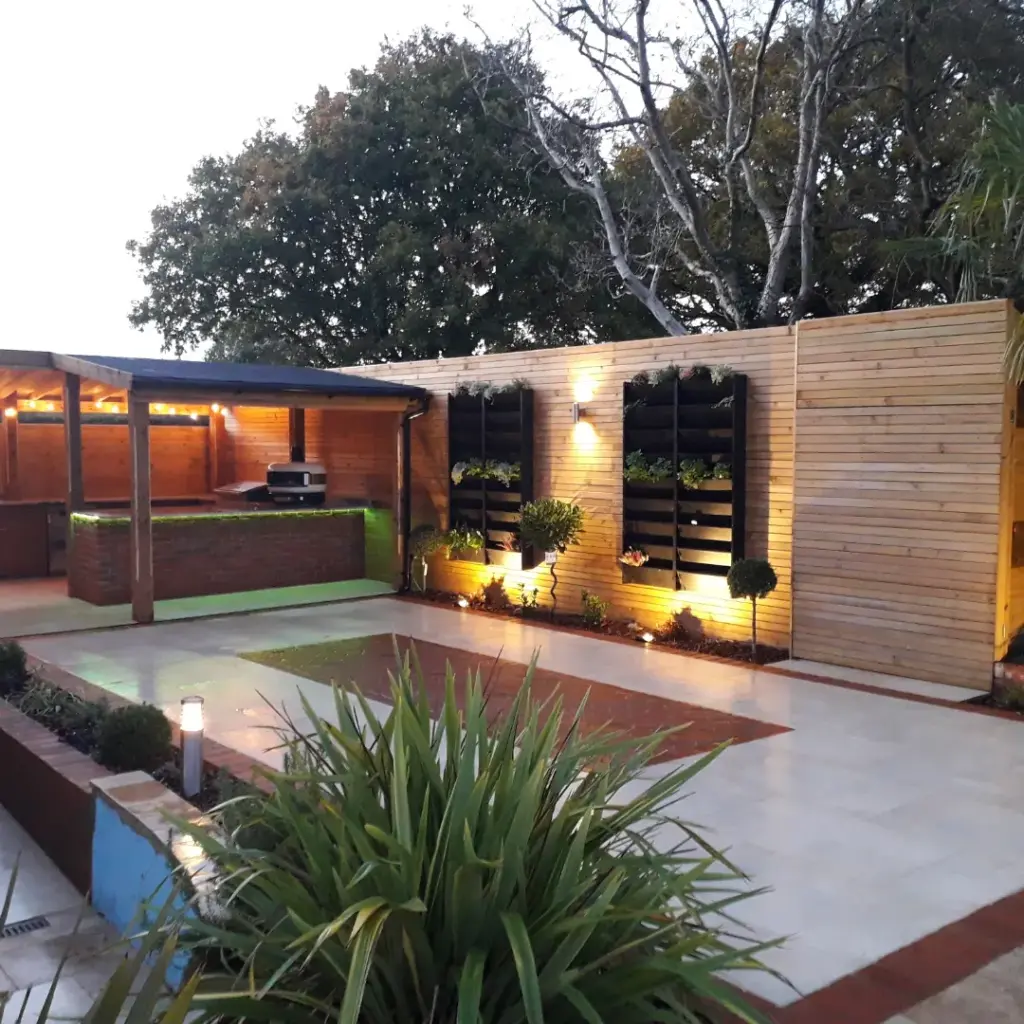
So, Do You Actually Need a Garden Designer?
A simple way to look at it:
- Small, straightforward changes → probably not essential
- Larger or more involved projects → usually worth doing properly
If you’re investing a decent amount into your garden, or you want it to feel cohesive rather than pieced together, having a clear design tends to make the whole process much smoother.
A Good Place to Start
If you’re unsure, the best first step is simply to talk things through with someone experienced.
Even a basic conversation can help you understand:
- What level of planning your garden needs
- What’s realistic within your space
- How to approach the project in stages if needed
From there, you can decide whether a full design is the right route or if a simpler approach will do the job.
FAQs
No, smaller or like-for-like projects usually don’t. Design becomes more valuable as complexity increases.
Not at all. Even smaller spaces can benefit from thoughtful layout and planning.
You can, but it’s easy to overlook practical elements like drainage, levels, and long-term usability.
Clarity. Knowing exactly what you’re building before work begins tends to avoid most common issues.
Final Thoughts
Deciding whether you need a garden designer is less about following a rule and more about understanding the scale and complexity of what you want to achieve.
Some gardens come together well with simple updates. Others benefit from stepping back and planning things properly before any work begins.
In most cases, the difference shows in how the space feels once it is finished. A garden that has been carefully thought through tends to feel more balanced, easier to use, and better suited to everyday life.
Taking the time to consider layout, flow, and how different elements connect is rarely wasted. Even a small amount of planning early on can shape the outcome far more than people expect.
If you want to explore what might work in your space, get in touch today, and we will be happy to help.
Call: 01277 890 585 | Email: landscapesmanor@aol.com