The best plants for low-maintenance gardens are usually those that suit your soil, light levels and available space from the start. In UK gardens, that often means combining evergreen shrubs for year-round structure, ground-cover plants to reduce bare soil, resilient flowering shrubs and a smaller selection of perennials or grasses for seasonal interest.
Plants such as Choisya, Euonymus and lavender can all work well in the right conditions. The key is choosing plants that naturally fit the position, rather than forcing unsuitable plants into awkward spaces and creating more pruning, watering or replacement work later.
Which Plants Are Best for an Easy-Care Garden?
A genuinely lower-maintenance planting scheme should focus on plants that:
- Suit the soil, aspect and moisture levels
- Grow to an appropriate mature size
- Need relatively little regular pruning
- Provide interest for more than one season
- Cover soil effectively where weed suppression is useful
- Become less dependent on regular watering once established
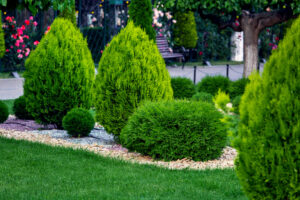
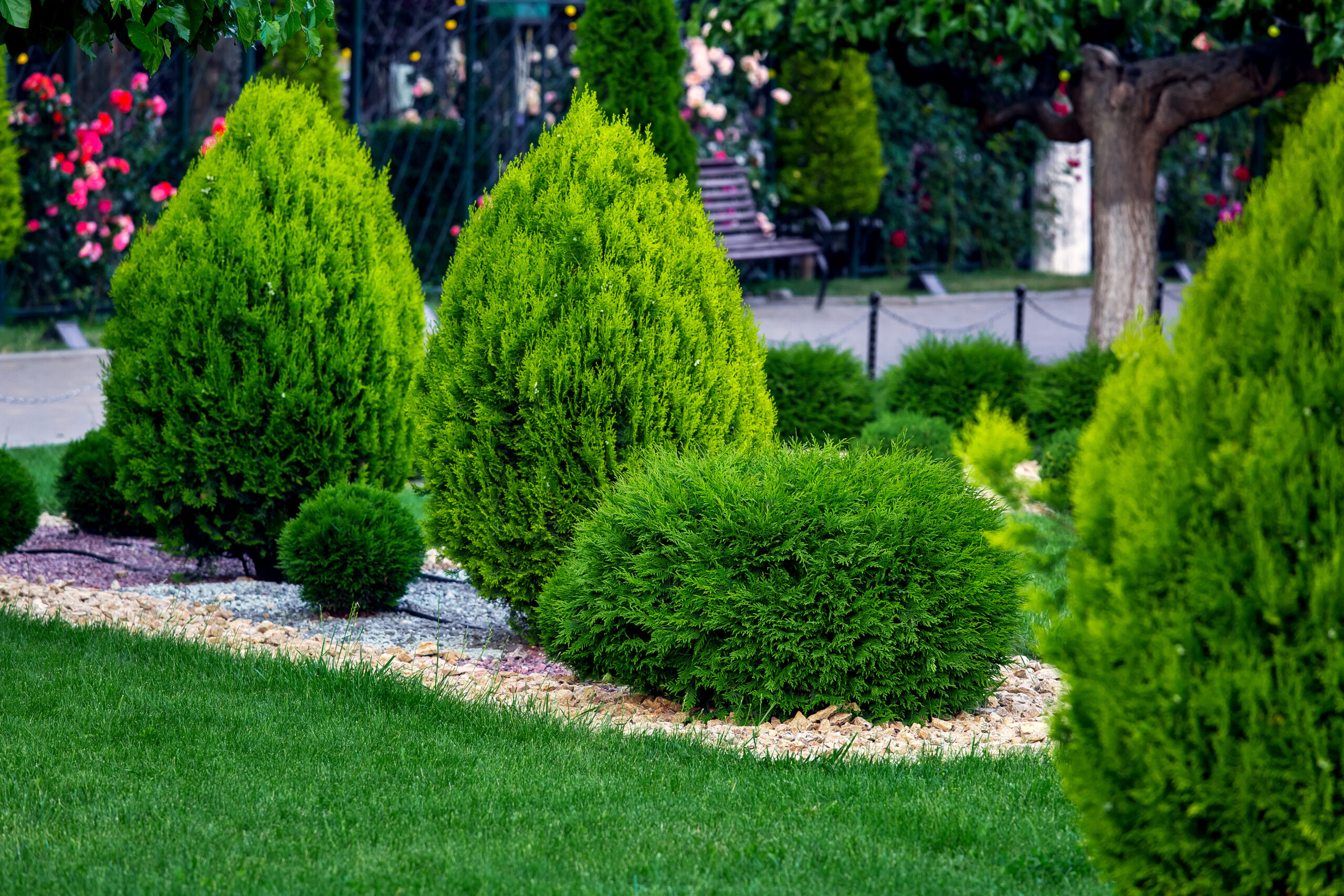
Evergreen shrubs are particularly useful because they provide shape and structure throughout the year. The Royal Horticultural Society notes that many evergreen shrubs are relatively easy to grow when placed in suitable conditions.
The goal is not to create a maintenance-free garden. It is to avoid planting choices that create unnecessary work.
Start With the Right Plant in the Right Place
One of the simplest ways to reduce garden maintenance is to choose plants around the conditions you already have.
Before planting, consider:
- Is the area sunny, partially shaded or heavily shaded?
- Does the soil stay wet or drain quickly?
- Is the position sheltered or exposed?
- How large will the plant become?
- Will it eventually block a path, window or neighbouring plant?
- Will it need frequent pruning to stay in position?
A shrub that is easy to care for in a large border can become surprisingly demanding if it is planted in a space that is too small.
The RHS specifically recommends checking the eventual height and spread of evergreen shrubs before choosing them.
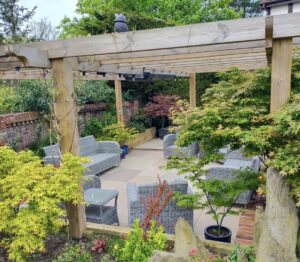
If you are planning more than a simple border refresh, it is worth considering planting alongside patios, pathways, lawns and other features. Our garden design ideas and inspiration can help you think about how these elements work together.
Evergreen Shrubs for Year-Round Structure
Evergreen shrubs are often one of the most useful elements in a low-maintenance garden because they provide year-round shape without needing seasonal replanting.
Choisya Ternata
Choisya ternata, often known as Mexican orange blossom, is an evergreen shrub with aromatic foliage and white flowers.
The RHS includes Choisya among its recommended evergreen shrubs. RHS evergreen recommendations
It can work well where you want reliable structure without creating a highly formal planting scheme
Euonymus Fortunei
Euonymus fortunei includes a range of evergreen cultivars that provide dependable foliage and colour.
The RHS highlights ‘Emerald ’n’ Gold’ among its award-winning low-maintenance evergreen plants.
Compact varieties can be especially useful where you want structure without introducing a very large shrub.
Osmanthus Varieties
Evergreen Osmanthus can provide dense foliage and useful structure within mixed planting schemes.
It is better suited to some positions than others, so the exact species or cultivar should always be selected around the available space and growing conditions.
Flowering Plants That Keep Things Simple
Low-maintenance does not mean removing flowers from the garden.
A smaller number of reliable flowering plants repeated through a border can often be easier to manage than a large mix of unrelated varieties.
Lavender for Sunny Areas
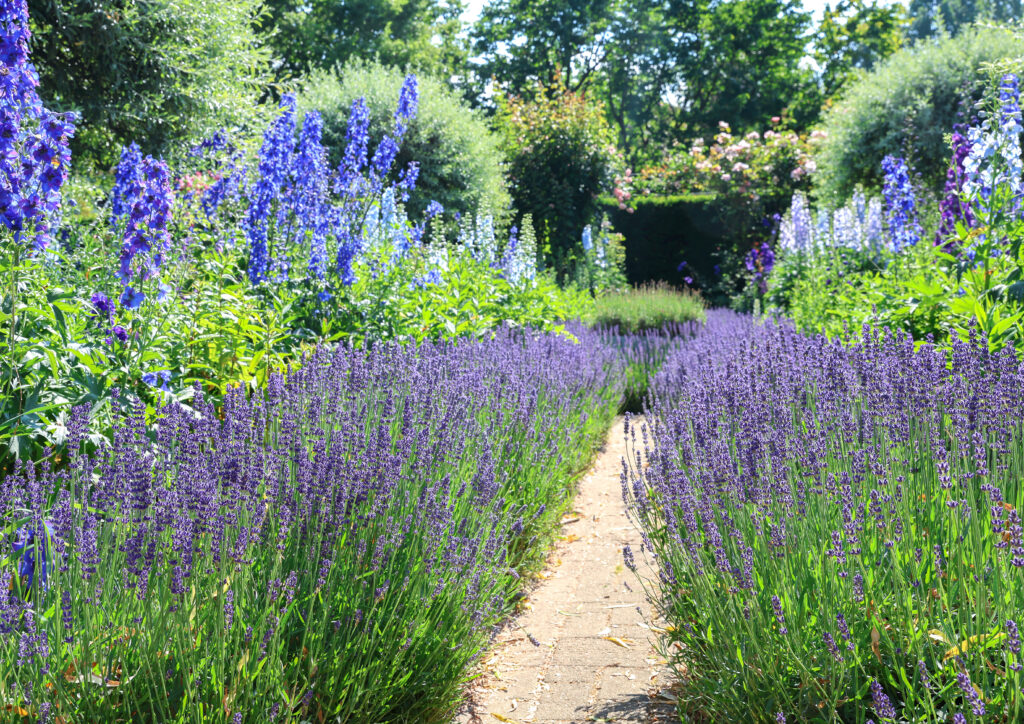
Lavender is a familiar option for sunny, free-draining positions and can provide fragrance, flowers and evergreen or semi-evergreen structure.
Lavender does still need some pruning to stay compact, so it should be viewed as easy-care rather than maintenance-free.
Shrubs Over Annual Replanting
Shrubs can be a practical choice where the aim is to reduce repeated planting.
Once established, many suitable shrubs provide long-term structure and seasonal interest without needing to be replanted every year. The RHS notes that established shrubs will often cope without additional watering outside particularly hot or dry periods.
Ground Cover Can Help Reduce Weeding
Bare soil gives weeds room to establish.
Ground-cover plants spread across the surface of a border and can help reduce exposed soil as they mature.
The RHS recommends ground-cover plants as a useful way to suppress weeds because dense foliage can reduce the opportunity for weed seeds to germinate and develop.
Possible choices include:
- Vinca minor
- Bergenia
- Pachysandra terminalis
- Low-growing Euonymus
- Suitable prostrate junipers
The right option depends on the conditions in the garden.
It is also important to remember that ground cover takes time to establish. Young plants will still need watering and weed control during the early stages.
Are Drought-Tolerant Plants Low-Maintenance?
They can be, but newly planted shrubs still need proper watering while their roots establish.
The RHS advises that newly planted trees, shrubs and perennials need regular watering even when they are considered drought tolerant.
Once established, suitable plants may need far less additional watering.
A practical approach is to:
- Choose plants that suit the conditions.
- Prepare the soil properly.
- Water consistently while they establish.
- Mulch suitable beds to help retain moisture.
- Reduce unnecessary watering once plants are well established.
Trying to save time by neglecting new planting often creates more work later if plants struggle or fail.
Simple Planting Schemes Are Often Easier to Manage
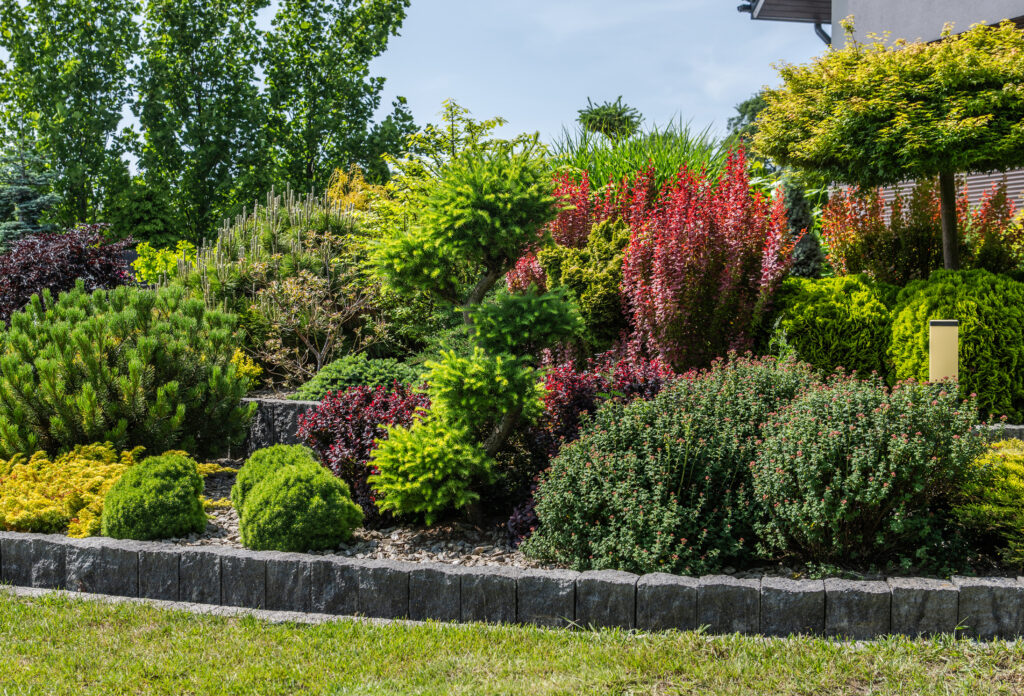
Using fewer plant varieties in repeated groups can make a garden easier to maintain and visually more cohesive.
A simple low-maintenance border might combine:
- Evergreen shrubs for permanent structure
- A limited number of flowering shrubs or perennials
- Ground cover around larger plants
- A small number of grasses for movement
- Mulch while planting establishes
This approach makes maintenance more predictable because you are dealing with fewer different plant requirements.
It can also create a calmer, more intentional look.
If you are considering a wider garden redesign, the Manor Landscapes gallery can help you explore how planting works alongside paving, lawns and other landscape features.
Common Mistakes That Create More Maintenance
Some planting choices appear straightforward at first but create more work over time.
Plants that outgrow their position need regular pruning.
Check mature height and spread before planting, especially near pathways, windows and seating areas.
A plant that prefers full sun will rarely perform well in deep shade.
Matching the plant to the location reduces stress and the need for intervention.
Large gaps encourage weeds.
Ground cover, appropriate spacing and mulch can help reduce exposed soil while the planting scheme matures.
New shrubs and planting still need attention while establishing.
Good establishment is one of the things that makes lower maintenance possible later.
Frequently Asked Questions About Low-Maintenance Plants
There is no single lowest-maintenance plant for every garden. The easiest plants are generally those that suit the soil, light levels, available space and moisture conditions.
Suitable Choisya and Euonymus varieties can be relatively easy to manage in the right conditions. The best choice still depends on the individual garden.
Dense ground-cover plants such as Vinca, Bergenia and suitable low-growing shrubs can help reduce bare soil and suppress weeds once established.
Yes, especially when newly planted. Their ability to cope with drier conditions improves once their root systems become established.
Not always, but shrubs can be useful in lower-maintenance gardens because they provide long-term structure and do not require annual replanting.
Plan for Less Work Before You Start Planting
The easiest garden to manage is usually one that has been planned around its conditions from the beginning.
Choose plants that suit the soil, sunlight and space available. Check mature sizes, use evergreen structure where it adds value, cover unnecessary bare soil and give new planting the care it needs while establishing.
For homeowners planning a wider redesign, planting works best when it is considered alongside the rest of the garden. Manor Landscapes has more than 40 years of landscaping experience and can help bring planting, surfaces and practical garden features together as part of a cohesive design.