Creating a better garden does not always mean starting again. Some of the best garden ideas on a budget focus on making smarter use of what is already there, improving tired areas, refreshing materials and adding practical details that make the space feel more enjoyable.
Whether your garden feels cluttered, underused, plain or unfinished, small changes can make a big difference. The key is to plan carefully, prioritise the areas you use most and choose improvements that add long-term value rather than quick fixes.
The Smartest Budget Garden Ideas Start With What You Already Have
Before spending money on new features, look at your garden with fresh eyes. Many outdoor spaces already have useful elements that can be improved, moved, repaired or reworked.
Good starting points include:
- Cleaning existing patios or paths
- Cutting back overgrown planting
- Reusing pots, edging or stone
- Refreshing fences, decking or seating
- Improving awkward corners
- Creating clearer zones for relaxing, dining or planting
- Adding simple lighting for evening use
From our experience as garden designers in Epping, many homeowners are surprised by how much potential their existing garden already has once it is properly assessed.
Refresh Your Layout Before Replacing Anything
A garden can feel completely different when the layout works better.
You may not need new structures or a full redesign. Instead, think about how people move through the space and where you naturally want to sit, eat, garden or relax.
Simple layout improvements include:
- Moving furniture to a sunnier or more sheltered spot
- Creating a clearer path through the garden
- Grouping pots together for stronger impact
- Turning an unused corner into a seating area
- Defining separate zones with planting, gravel or edging
- Removing clutter that makes the space feel smaller
A clear layout makes even a modest garden feel more intentional.
Make Existing Patios & Paving Work Harder
Patios and paved areas are often the most used parts of a garden, but they can start to look tired over time.
Budget-friendly improvements include:
- Jet washing existing paving
- Repointing loose joints
- Adding planters around the edges
- Introducing outdoor rugs or furniture
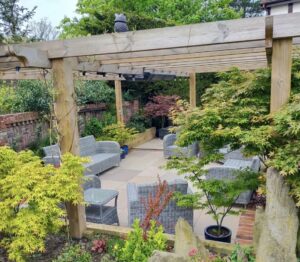
- Creating shade with a parasol or pergola
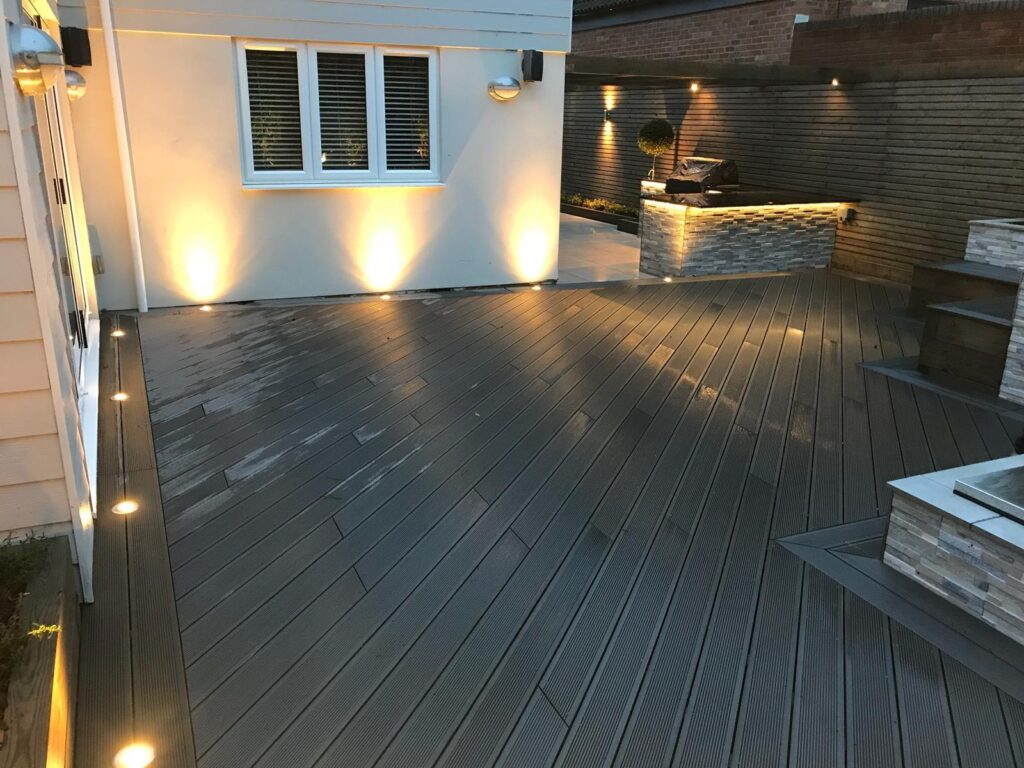
- Using lighting to make the area usable after dark
If your patio is uneven, poorly drained or no longer practical, it may be worth exploring professional garden patio options rather than repeatedly patching the problem.
Use Planting To Add Colour, Privacy & Structure
Planting is one of the most effective ways to transform a garden without changing the whole space.
For better impact, avoid buying random plants one at a time. Instead, choose a simple planting theme and repeat colours, textures or shapes across the garden.
Useful budget garden planting ideas include:
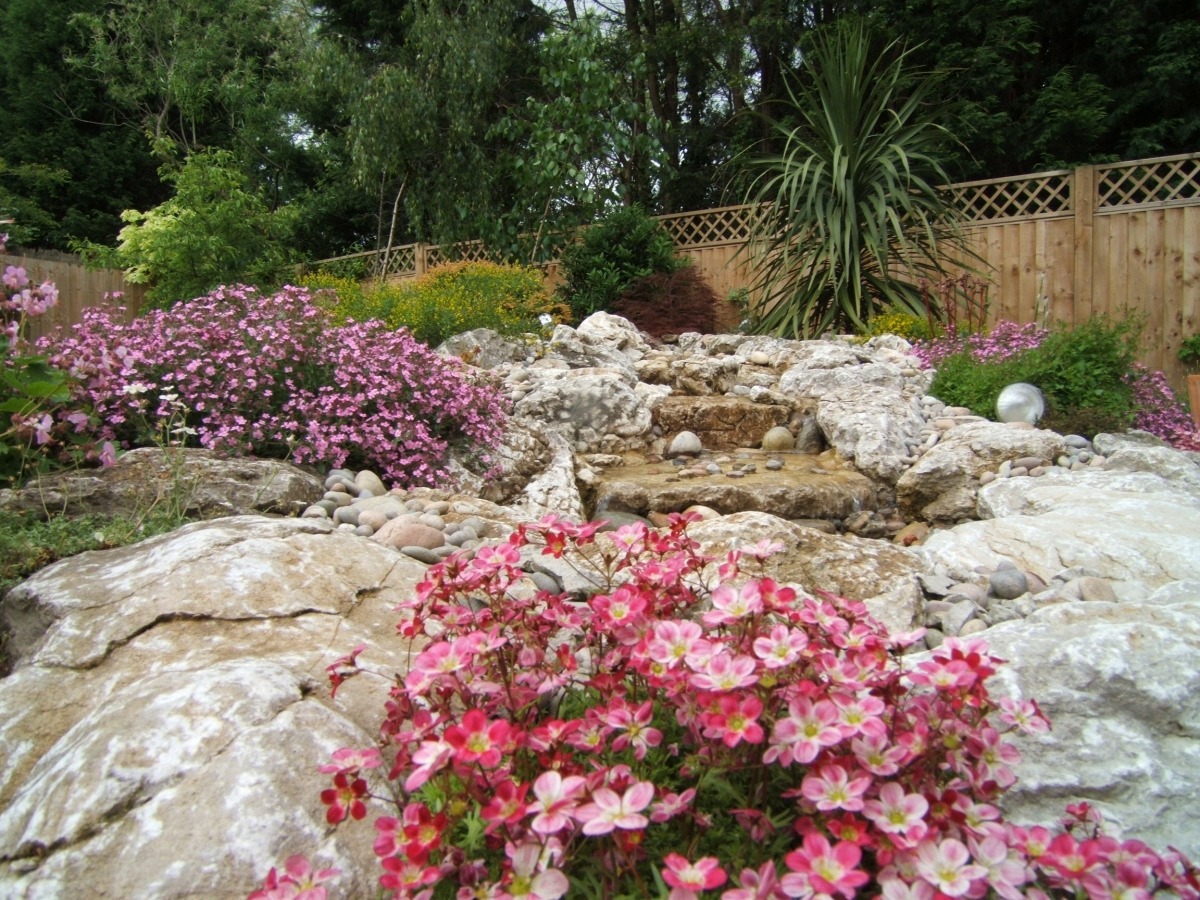
- Filling gaps with perennials that return each year
- Using climbers to soften fences and walls
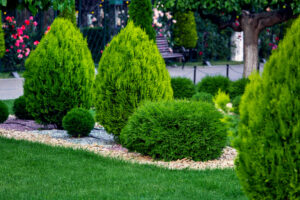
- Adding evergreen shrubs for year-round structure
- Planting in groups rather than single specimens
- Using pots for flexible colour
- Creating height with small trees or tall grasses
Good planting can make a garden feel softer, more private and more complete.
Improve Boundaries Without Replacing Everything
Fencing, walls and boundaries have a huge effect on how a garden feels. If they look tired, the whole space can feel neglected.
Simple improvements include:
- Painting or staining existing fencing
- Adding a trellis for climbing plants
- Screening bins or storage areas
- Replacing only damaged panels where possible
- Using planting to soften hard boundaries
If the fencing is unstable, leaning or no longer secure, replacement may be the better long-term option. Our fencing services can help when a boundary needs more than a cosmetic refresh.
Create A Seating Area Without A Full Garden Redesign
A dedicated seating area can make your garden feel instantly more usable.
You do not always need a large patio or major construction work. A small gravel area, refreshed decking space or simple paved corner can become a relaxed place to sit.
Consider:
- Morning sun or evening sun
- Shelter from wind
- Privacy from neighbouring properties
- Easy access from the house
- Views across the garden
- Space for lighting or planting nearby
The best seating areas feel connected to the garden rather than placed in it as an afterthought.
Use Lighting To Make The Garden Feel Finished
Outdoor lighting can change how a garden feels, especially in the evening.
You do not need to light everything. Focus on the areas that matter most:
- Steps and changes in level
- Seating areas
- Paths
- Feature trees or planting
- Outdoor dining spaces
- Entrances and gates
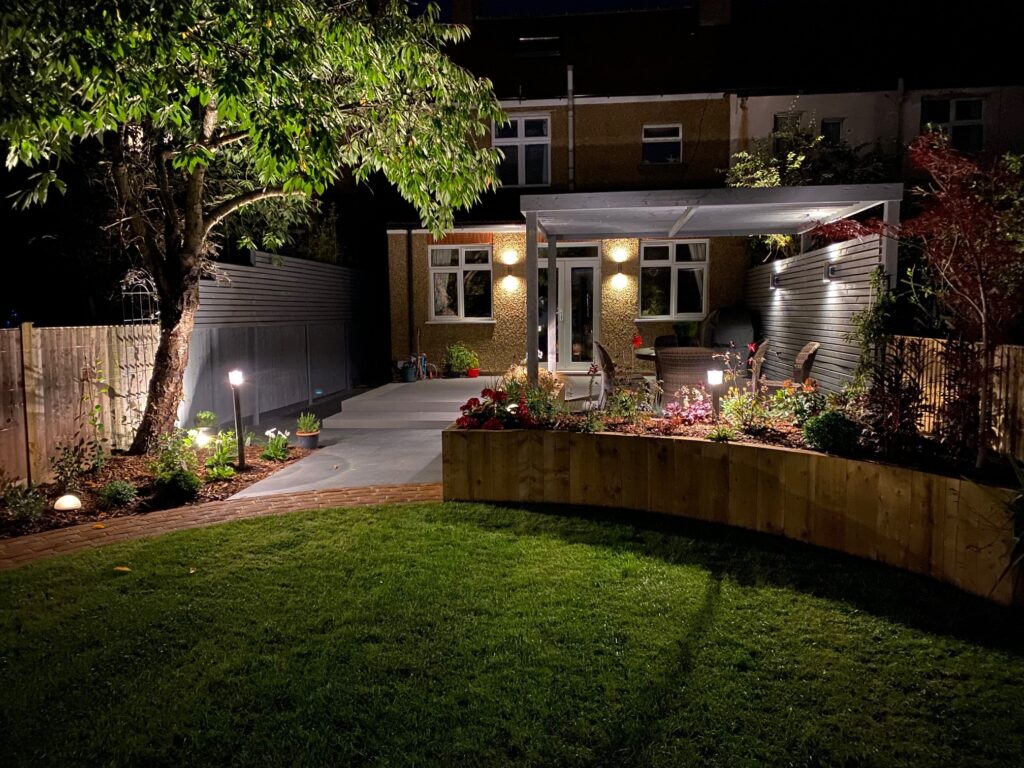
Even a small amount of well-placed lighting can make the garden feel more inviting and practical.
Upgrade One Feature Instead Of Everything At Once
If your budget is limited, choose one high-impact improvement rather than spreading money thinly across too many areas.
Good focus areas include:
- A new seating zone
- Improved fencing
- A refreshed patio
- Better planting
- A practical lawn area
- A small decked platform
- A feature planter or raised bed
This approach works especially well for homeowners planning phased improvements. A professional garden planning and design consultation can help you decide what to prioritise first.
Avoid These Common Budget Garden Mistakes
Trying to improve a garden on a budget can become more expensive if the wrong choices are made early.
Common mistakes include:
- Buying materials before having a clear plan
- Choosing the cheapest option rather than the best value
- Ignoring drainage or uneven ground
- Adding too many different styles
- Overfilling small spaces
- Replacing features that could have been restored
- Forgetting how the garden will be used day to day
A smaller, well-planned improvement is usually better than a rushed makeover that needs correcting later.
When It Is Worth Getting Professional Advice
Some garden improvements are simple enough to manage yourself. Others benefit from professional input, especially where structure, drainage, levels or long-term planning are involved.
It may be worth speaking to a garden designer if:
- You are unsure where to start
- The garden feels awkward or disjointed
- You want to improve the space in stages
- You are considering patios, decking or hard landscaping
- You need help choosing the right layout
- You want the garden to feel more cohesive
You can read more about this in our guide to whether you need a garden designer.
Frequently Asked Questions
The cheapest way to improve a garden is usually to tidy, clean and reorganise what you already have. Cutting back overgrown planting, cleaning paving, painting fences and creating clearer zones can make a big difference.
Focus on layout, planting and presentation. Move furniture, group pots together, refresh tired boundaries and improve key areas such as patios or seating spaces.
Yes. Planning is especially important when working to a budget because it helps avoid wasted spending and ensures each improvement supports the overall look and use of the garden.
Yes. Phased garden improvements are a sensible way to manage costs while working towards a bigger long-term vision. Start with essentials such as layout, access, drainage and key seating areas.
Patios, planting, seating areas, fencing, lighting and clear pathways often create the biggest visible improvement, especially when they are designed to work together.
Make The Most Of Your Garden Without Starting From Scratch
The best budget garden ideas are not always about spending less. They are about spending wisely, improving what already works and choosing changes that make your garden more enjoyable every day.
If you would like expert guidance on refreshing your outdoor space, explore our garden planning and design services or get in touch with Manor Landscapes to discuss your ideas.