A well-designed garden is about far more than lawns and planting. The features you introduce into the space often shape how it feels, how it functions, and how memorable it becomes. Thoughtfully chosen bespoke garden features can transform an ordinary outdoor area into somewhere with real personality, atmosphere, and purpose.
Whether that means a handcrafted pergola, a contemporary water feature, integrated garden lighting, or a dedicated outdoor entertaining space, bespoke additions help create gardens that feel unique to the people who use them.
From our experience working on landscaping projects across Essex, the gardens that stand out most are rarely the biggest or most expensive. They are the ones where every feature feels intentional and connected to the wider space.
Why Bespoke Garden Features Matter
Many gardens follow a familiar layout: patio, lawn, fencing, borders. While there is nothing wrong with simplicity, bespoke features help introduce contrast, structure, and individuality.
Good garden design is often about creating focal points and defining how different areas of the garden are used. Bespoke features can help:
- Add visual interest throughout the year
- Improve how outdoor spaces function
- Create more usable zones for relaxing or entertaining
- Make larger gardens feel more connected
- Introduce personality without overwhelming the space
- Improve flow between indoor and outdoor living areas
The most successful landscaping projects usually combine practicality with character. A feature should not feel decorative for the sake of it. It should contribute something meaningful to the overall garden.
If you are planning a wider redesign, professional garden planning and design can help ensure features are integrated properly from the start.
Pergolas and Covered Structures
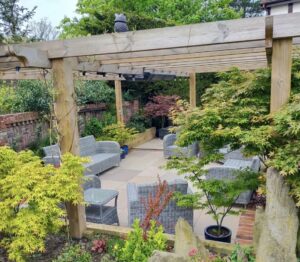
Pergolas remain one of the most versatile bespoke garden features because they can completely change how a garden is used without dominating the space.
A well-positioned pergola can:
- Create shade during warmer months
- Define an outdoor seating or dining area
- Support climbing plants and greenery
- Add height and structure to flatter gardens
- Improve the transition between the house and the garden
Modern pergolas are increasingly being combined with outdoor kitchens, integrated lighting, and heating to create usable outdoor living spaces throughout much of the year.
Timber pergolas tend to create a softer, more natural appearance, while metal-framed structures often suit contemporary landscaping schemes.
When designed properly, covered structures can make even modest gardens feel more considered and layered.
Related inspiration: External Kitchens & Entertaining Areas
Water Features That Introduce Movement and Atmosphere
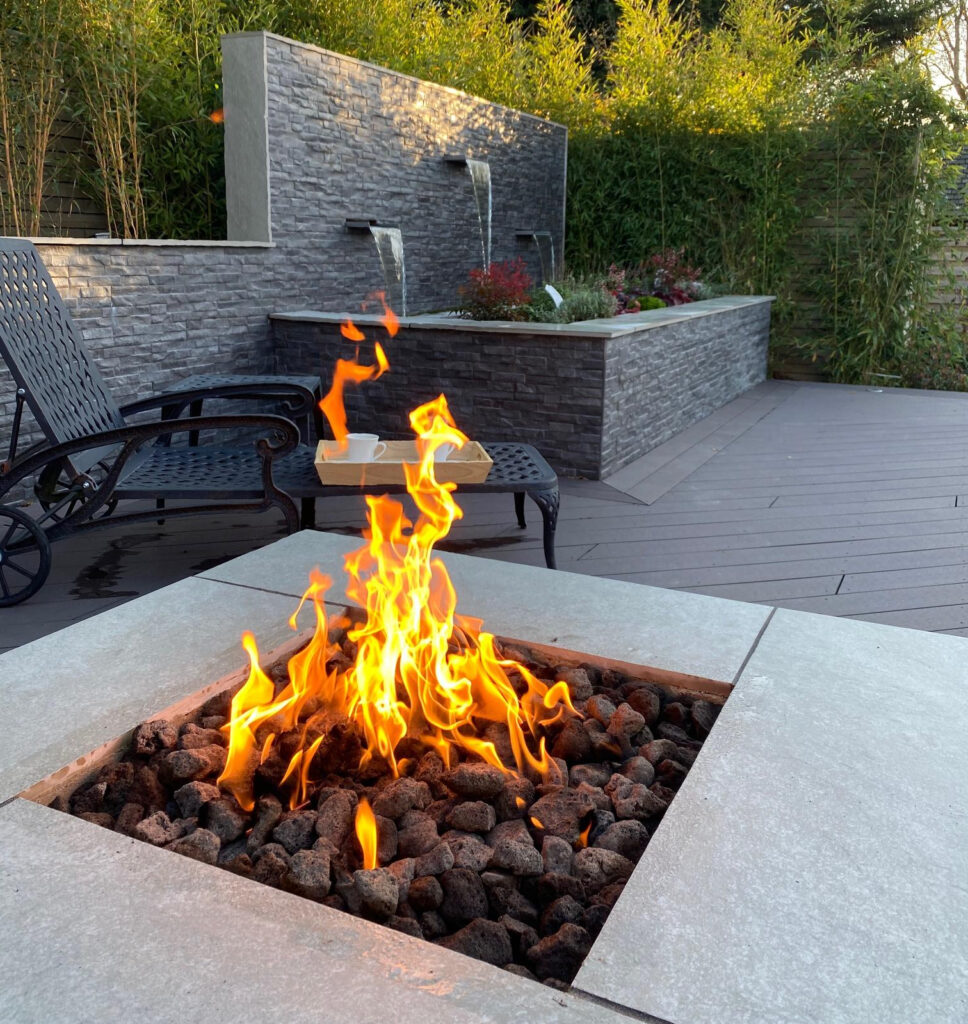
Water changes the atmosphere of a garden almost instantly. Even subtle water movement can soften surrounding hard landscaping and create a more relaxing environment.
Bespoke water features range from simple contemporary bowls to larger architectural installations with integrated planting and lighting.
Popular approaches include:
- Reflection pools
- Wall-mounted water features
- Contemporary blade waterfalls
- Naturalistic ponds
- Raised rendered water features
- Rill systems running through patios or pathways
One of the biggest mistakes homeowners make is choosing a water feature that feels disconnected from the rest of the garden. Scale and positioning matter.
Smaller gardens often benefit from restrained, quieter features, while larger landscapes can accommodate more dramatic focal points.
Water features also work particularly well alongside garden patios and structured seating areas because they help create a calmer atmosphere around entertaining spaces.
Outdoor Kitchens and Entertaining Spaces
Outdoor kitchens have evolved significantly over the last decade. What was once limited to a barbecue area is now often a fully integrated entertaining zone designed around cooking, dining, and socialising outdoors.
Features may include:
- Built-in cooking areas
- Preparation surfaces
- Seating walls and dining spaces
- Pergolas or covered structures
- Outdoor storage
- Feature lighting
- Integrated planting
The key difference between a successful outdoor kitchen and one that rarely gets used is layout.
The best designs consider:
- Movement between the house and garden
- Shelter from wind and weather
- Practical lighting for evening use
- Durable materials suited to outdoor conditions
- Comfortable circulation space for guests
In many modern landscaping projects, outdoor kitchens have become the centrepiece around which the wider garden is designed.
Explore: Outdoor Kitchens and Entertaining Areas
Garden Lighting as a Design Feature
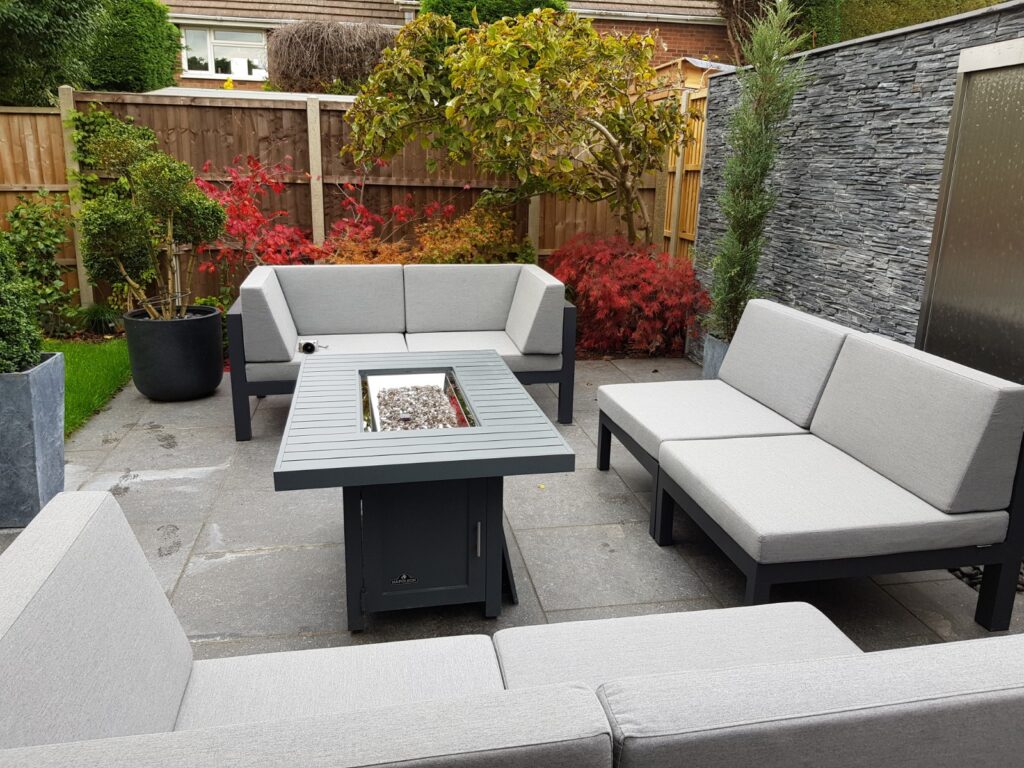
Lighting is often underestimated during garden projects, yet it has one of the biggest impacts on how outdoor spaces feel after dark.
Thoughtful garden lighting can:
- Extend the usability of a garden into the evening
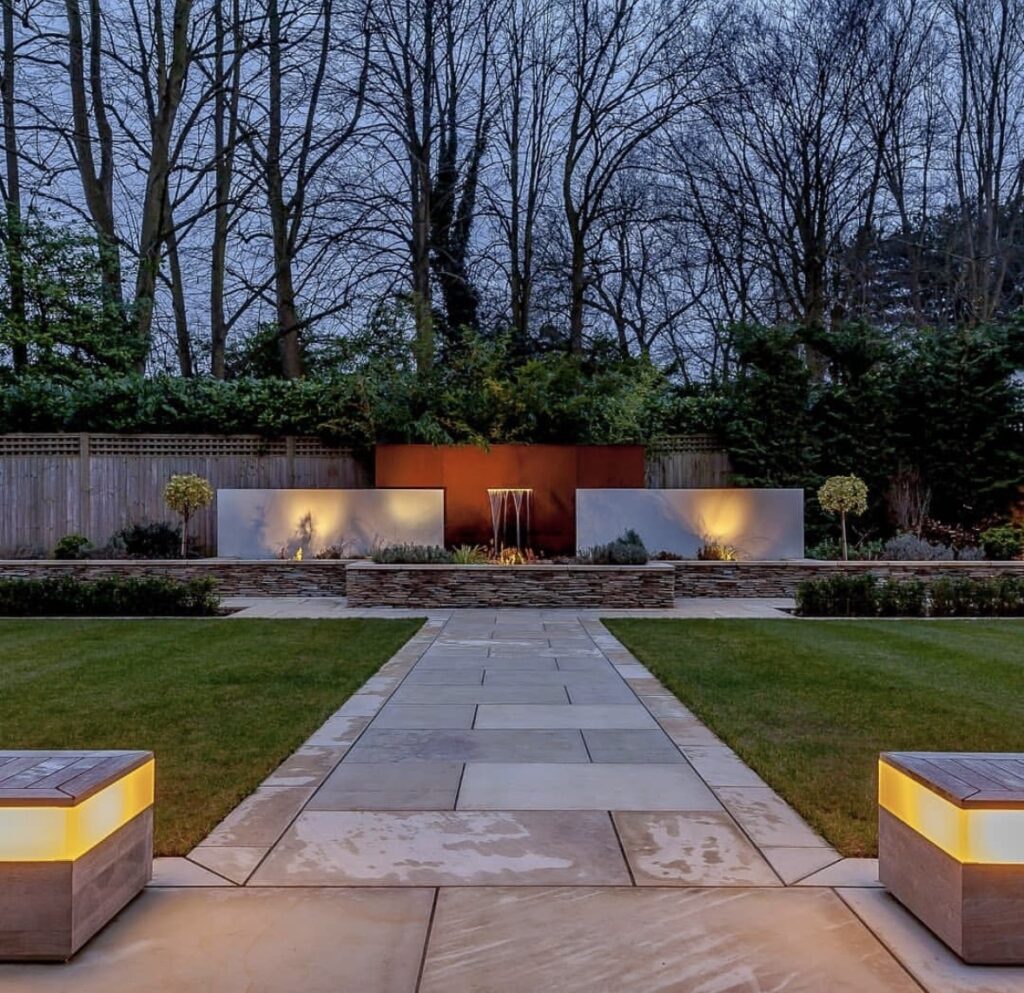
- Highlight planting and architectural features
- Improve safety around pathways and steps
- Create an atmosphere around patios and seating areas
- Add depth and contrast to the garden at night
The most effective schemes are usually subtle rather than overly bright.
Popular techniques include:
- Uplighting feature trees
- Recessed lighting within paving
- Soft lighting beneath seating
- Illuminated pathways
- Integrated pergola lighting
One practical lesson from landscaping projects is that lighting should ideally be planned before construction begins. Retrofitting cables and fittings after patios or planting are complete often creates unnecessary disruption.
This is one reason why lighting is commonly incorporated into larger garden installation projects from the outset.
Bespoke Seating, Walls and Built-In Features
Sometimes the most effective bespoke features are the least obvious.
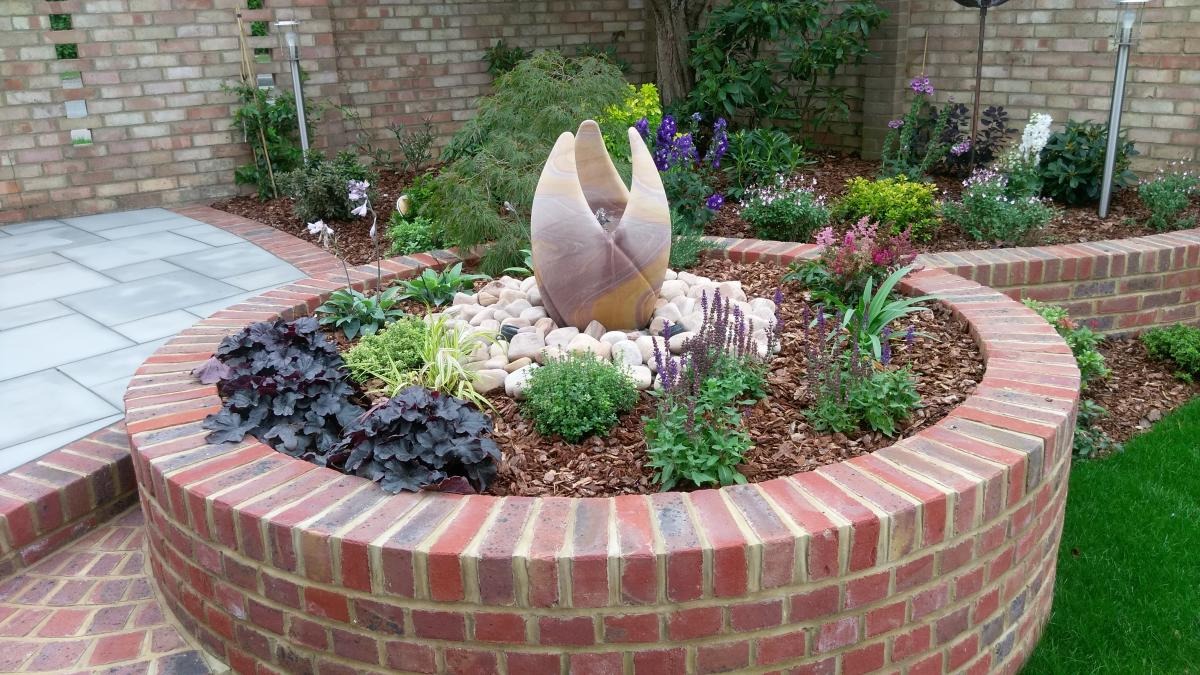
Built-in seating, retaining walls, rendered planters, and integrated storage solutions can dramatically improve how practical a garden feels while contributing to the overall design.
These features are especially useful in:
- Sloped gardens
- Compact urban gardens
- Multi-level landscaping projects
- Outdoor entertaining areas
Built-in elements often create a cleaner and more cohesive appearance than relying entirely on standalone furniture or decorative accessories.
Materials also make a significant difference. Timber, brickwork, porcelain, natural stone, and rendered finishes all create very different visual effects.
You can explore examples of integrated landscaping features in the Project Gallery.
Garden Buildings With More Purpose
Garden buildings have become far more versatile than traditional sheds or storage spaces.
Today, bespoke garden buildings are commonly used as:
- Home offices
- Studios
- Gyms
- Entertainment spaces
- Guest accommodation
- Quiet retreats within larger gardens
What separates a well-designed garden building from an isolated structure is how it connects to the wider landscape.
Pathways, planting, lighting, and surrounding materials should all work together to integrate the building naturally into the garden.
Done properly, a garden building becomes part of the overall experience of the outdoor space rather than simply something placed within it.
Related reading: Garden Buildings
Choosing Features That Suit Your Garden
One of the easiest mistakes when adding bespoke garden features is trying to include too much.
Not every garden needs multiple focal points. In fact, restraint often creates stronger results.
When deciding which features to include, it helps to consider:
How The Garden Will Be Used
A garden designed primarily for entertaining will need very different features from one focused on relaxation or family use.
The Scale of the Space
Oversized structures can overwhelm smaller gardens, while very minimal features may disappear within larger landscapes.
Maintenance Requirements
Some bespoke elements require regular upkeep, particularly water features, timber structures, and complex planting schemes.
Long-Term Practicality
Features should still feel functional and relevant several years later, not simply follow short-term trends.
This is where experienced landscaping input can make a major difference, especially when features need to work together cohesively within a wider design.
Helpful reading: Do You Need a Garden Designer? What Essex Homeowners Should Know
The Best Gardens Feel Personal
The gardens people remember are rarely the most expensive or elaborate. They are usually the spaces that feel connected to the people who use them.
Bespoke garden features help create that sense of identity. Whether through subtle lighting, carefully positioned structures, integrated seating, or a standout focal point, these additions shape how outdoor spaces are experienced every day.
Good landscaping is not simply about adding features. It is about choosing the right ones and ensuring they work naturally within the garden as a whole.
If you are gathering ideas for a future project, browsing completed landscaping work can often help clarify what feels right for your own space.
Explore more inspiration:
Thinking About Adding Bespoke Features to Your Garden?
Whether you are planning a complete redesign or simply looking for ways to add more personality to your outdoor space, thoughtful bespoke features can make a lasting difference to how your garden looks and functions.
For advice on landscaping, outdoor living spaces, and integrated garden design, you can learn more about Manor Landscapes here.
Call: 01277 890 585 | Email: landscapesmanor@aol.com